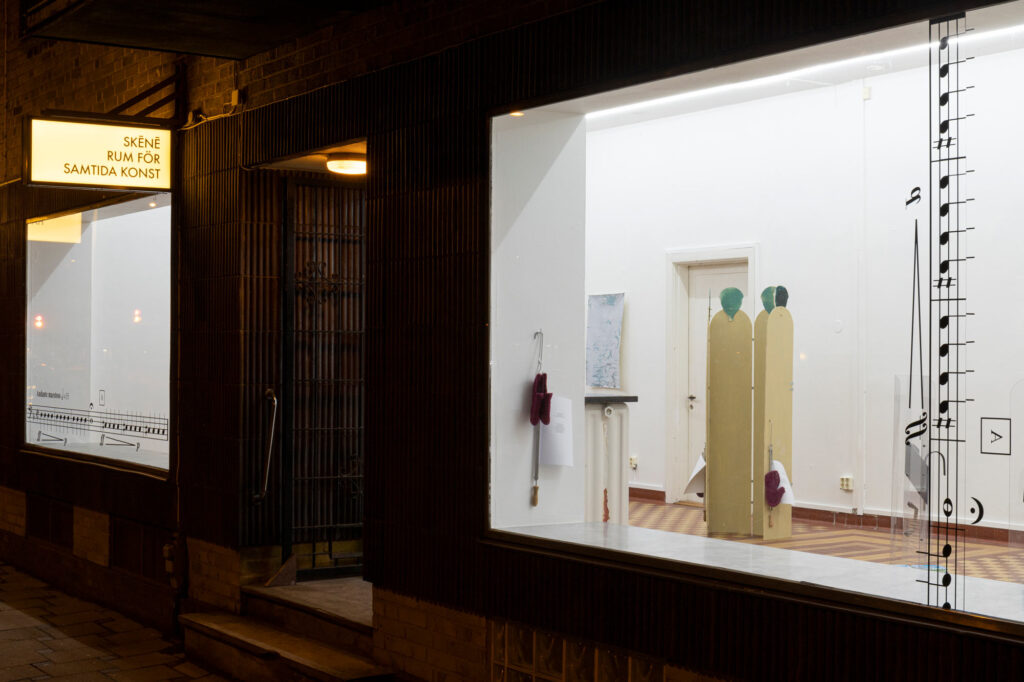
At the Edge II

Jamila Drott, Maxime Hourani, Maia Torp Neergaard, Kristoffer Ørum

Jamila Drott
Maxime Hourani
Maia Torp Neergaard
Kristoffer Ørum

Curator Kevin Malcolm (Vermilion Sands, DK)

Vernissage Friday 14 March 5–8pm

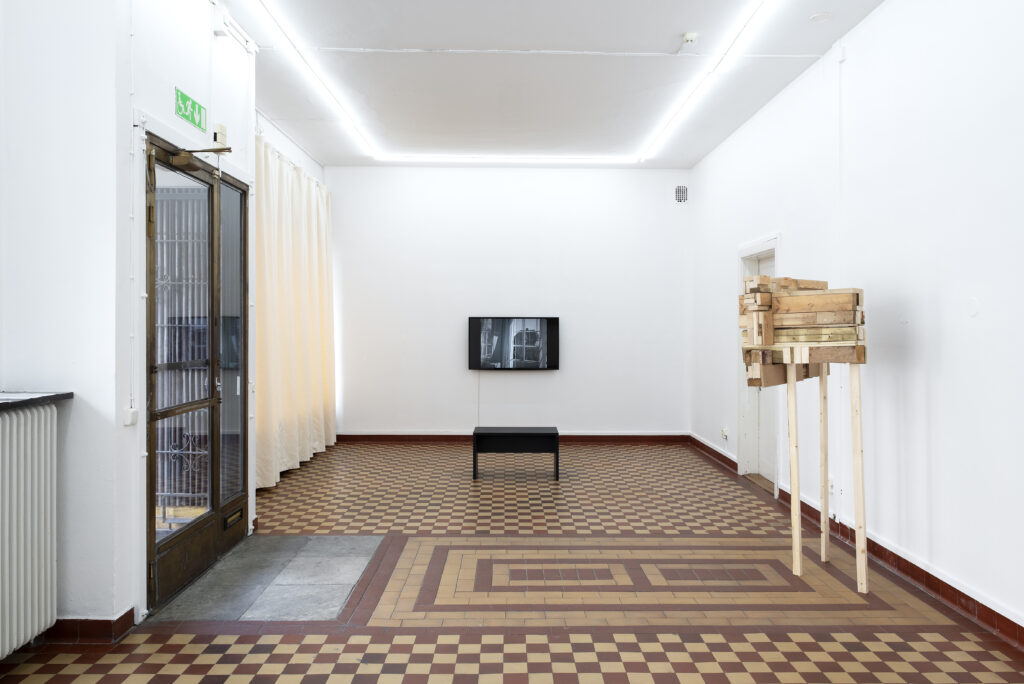
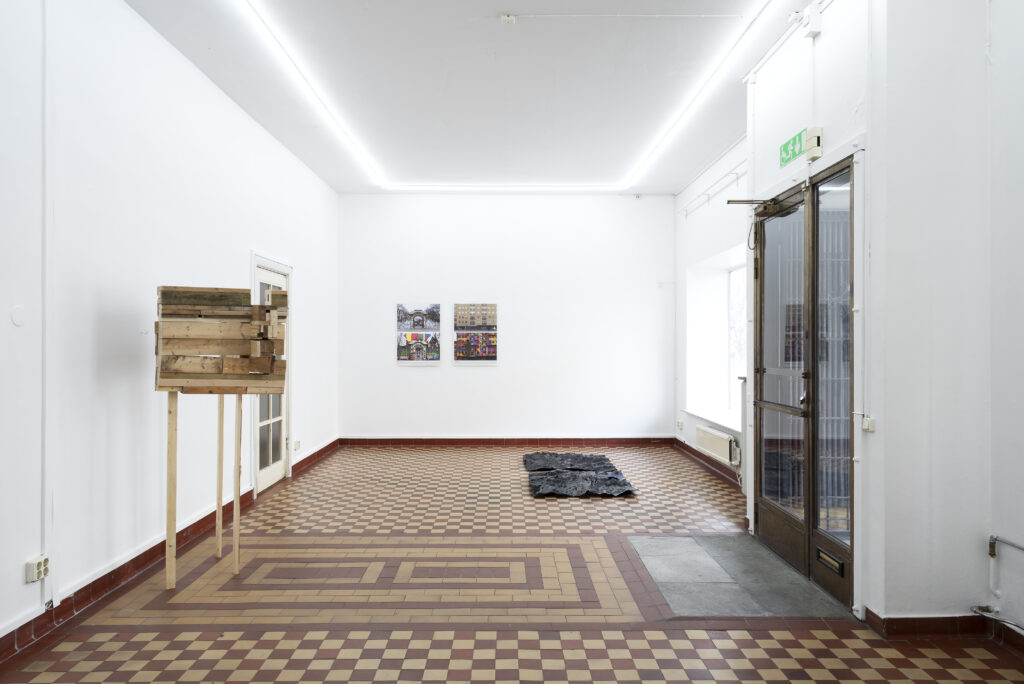
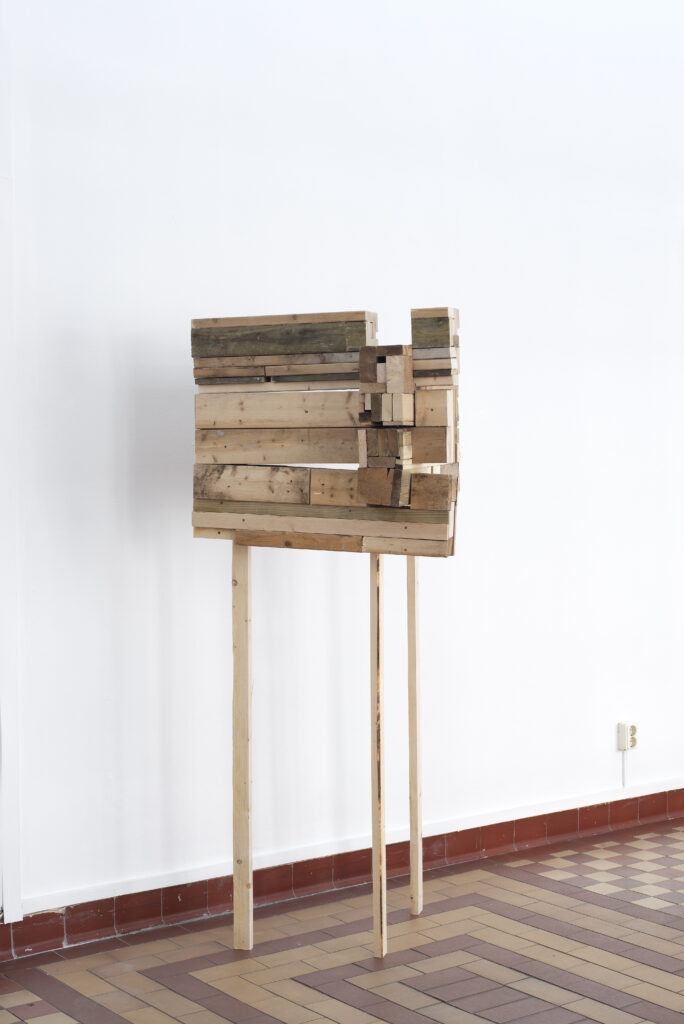
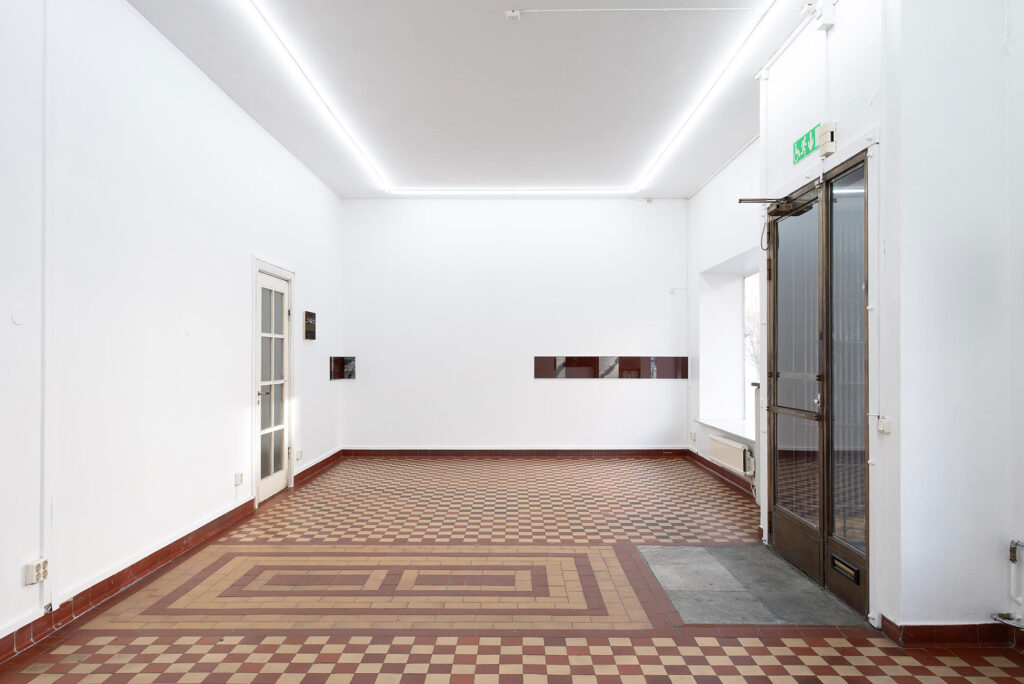
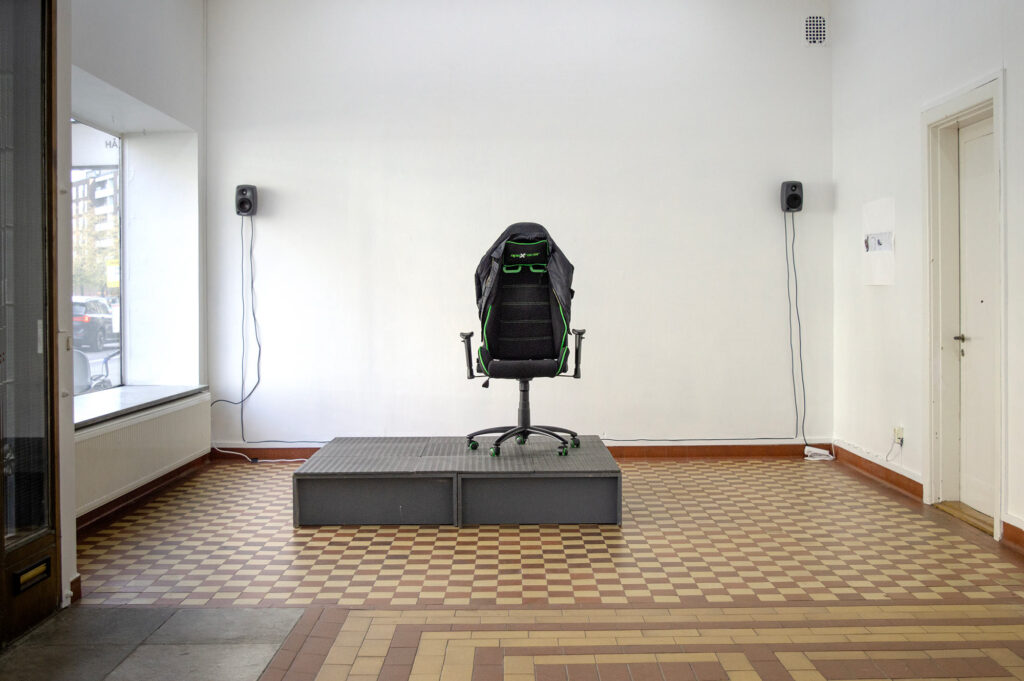
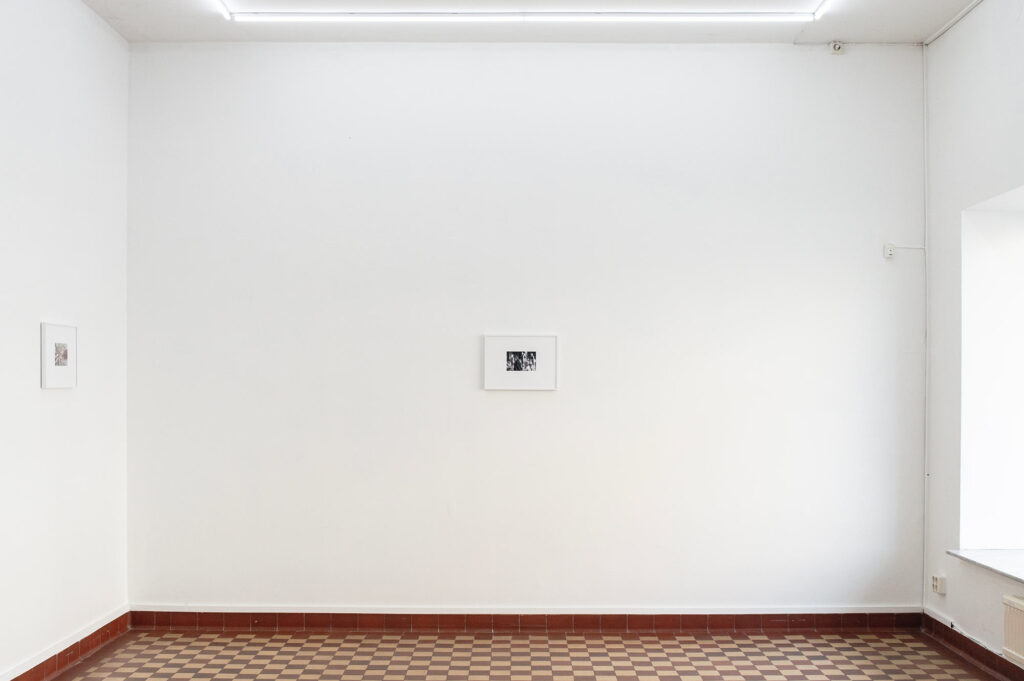
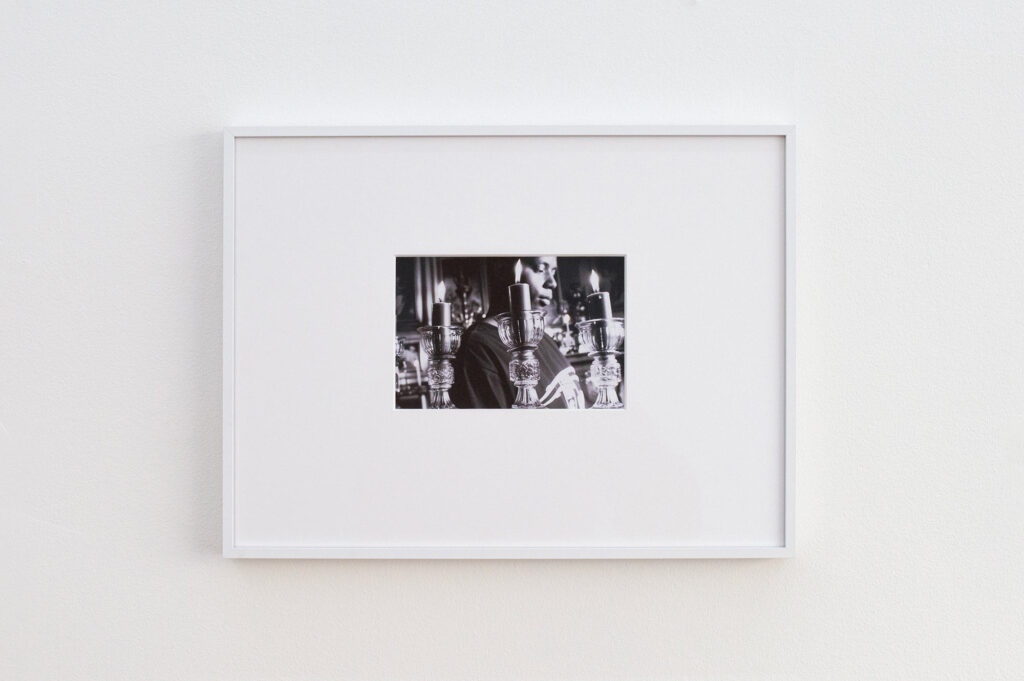
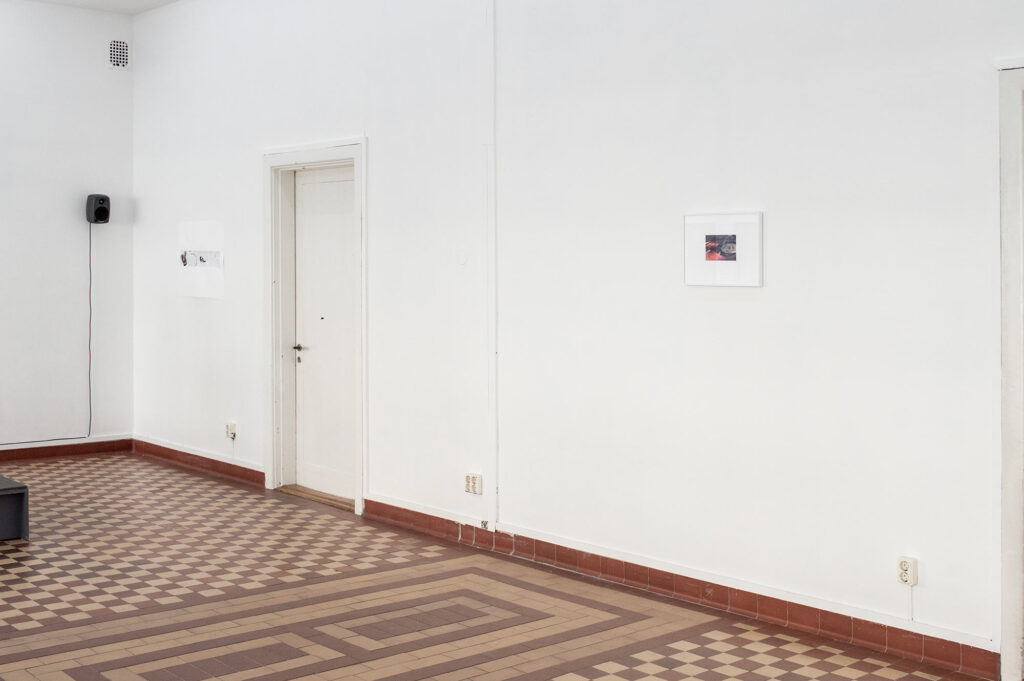
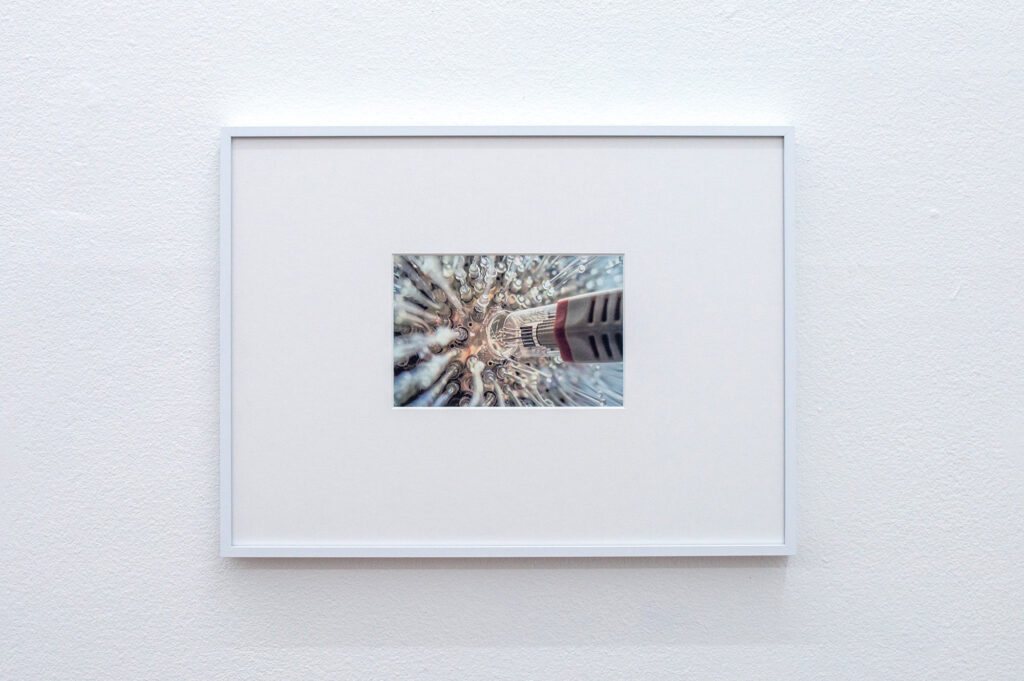
At the Edge II builds thematically on previous exhibition projects, where questions of place and identity, especially in relation to architecture and urban planning, were framed. At the Edge Part I was shown at Vermilion Sands in Copenhagen in the autumn of 2024. Part II is an extension of a first exhibition that will have a clearer connection to Malmö as a place and context. This series of exhibitions examine the role of the artist and the art space in urban transformations, while being situated in broader discussions about place, capitalism and identity, urban space, speculation and gentrification.

The exhibition is supported by Kulturrådet, Malmö stad, Region Skåne and Statens Kunstfond.

Photographed by OMN
All images courtesy of the artists, Kevin Malcolm and skēnē

Ksenia Pedan

Ksenia Pedan

We welcome you to Sun sinks low with Ksenia Pedan.

Ksenia Pedan has a special intuition for spatiality, and the moods different kinds of environments can conjure. Her artistic expression often embodies a peculiar state where the boundaries between inside and outside dissolve. At skēnē, Ksenia presents new and existing works in a site-specific installation. The exhibition is accompanied by a text written by filmmaker Erik Lavesson.

Ksenia Pedan lives in Stockholm, where she finished her master’s degree at the Royal Institute of art in 2023. She previously lived in London, where she studied at Goldsmiths University of London, exhibited (both with her own practice and as part of a duo with Ben Burgis) and worked with set design in various contexts.

Ksenia Pedan’s recent solo exhibitions include Forming the Culture of a Dormant Brain at Bonniers konsthall, Stockholm (2024), Habits of People at Issues, Stockholm (2024) and Reversion at Cell Project Space, London (2023).

The exhibition is supported by Kulturrådet, Malmö stad and Region Skåne.

Photographed by OMN
All images courtesy of the artist and skēnē

Invisible Endings

Helene Due, Carl Mannov, Nicky Sparre-Ulrich, Gustav Wideberg, Sylvester Vogelius

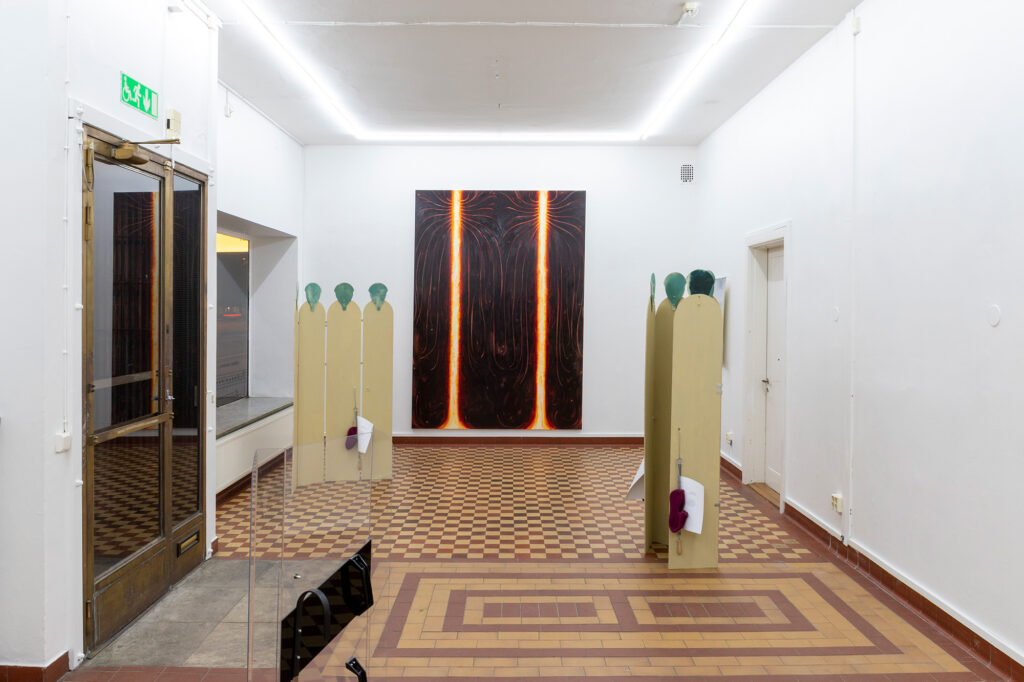
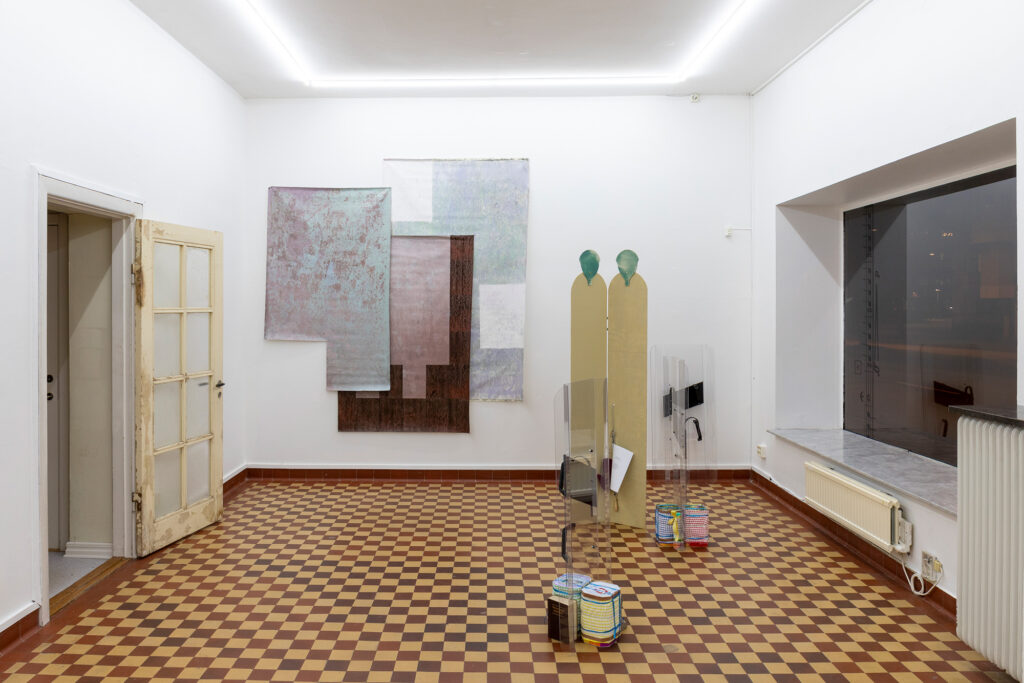
The group presentation at skēnē by Danish and Swedish artists Sylvester Vogelius, Nicky Sparre-Ulrich, Carl Mannov, Helene Due, and Gustav Wideberg wishes to establish an environment where generational trauma, architecture, and spirituality are intricately woven together with the domestic and historical. Through an integration of sculptural, pictorial, and ephemeral strategies, the exhibition sustains an evocative atmosphere that resonates within the historically laced gallery space.

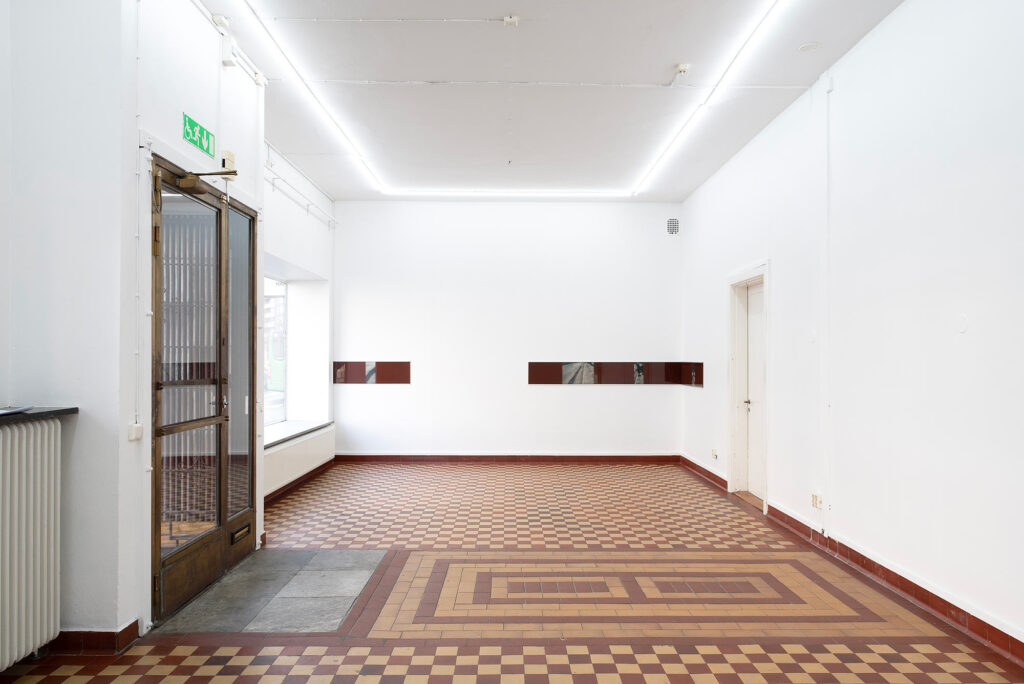
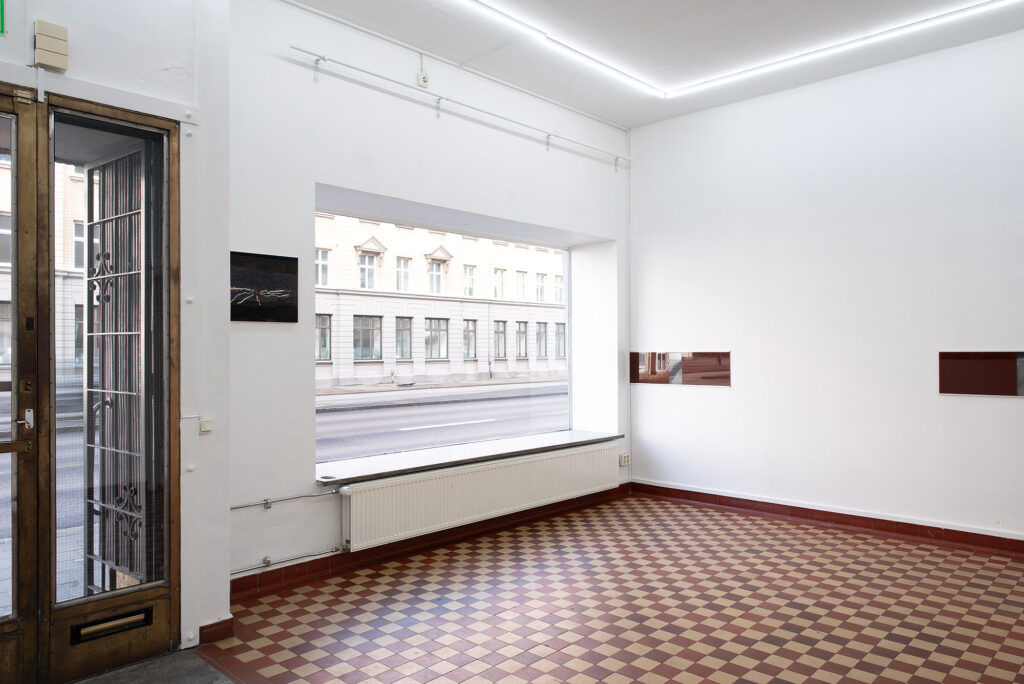
The checkerboard floor in the gallery serves as a multifaceted symbol, evoking the traditions of perspective found in Renaissance painting while also nodding to contemporary fashion patterns and the ubiquitous digital software default. This layering of references encapsulates the show’s anachronistic approach, where each artist engages with the concepts of time and history, treating them not only as contexts to be navigated but also as vital resources that inform their work. The exhibition ultimately proposes to contemplate how the past and present converge, creating new narratives that challenge conventional understandings of these intertwined themes.

Theodor Nymark

Saturnalia in Secundo

Shanzhai Lyric, Lizzie Borden

Reading Room: Shanzhai Lyric

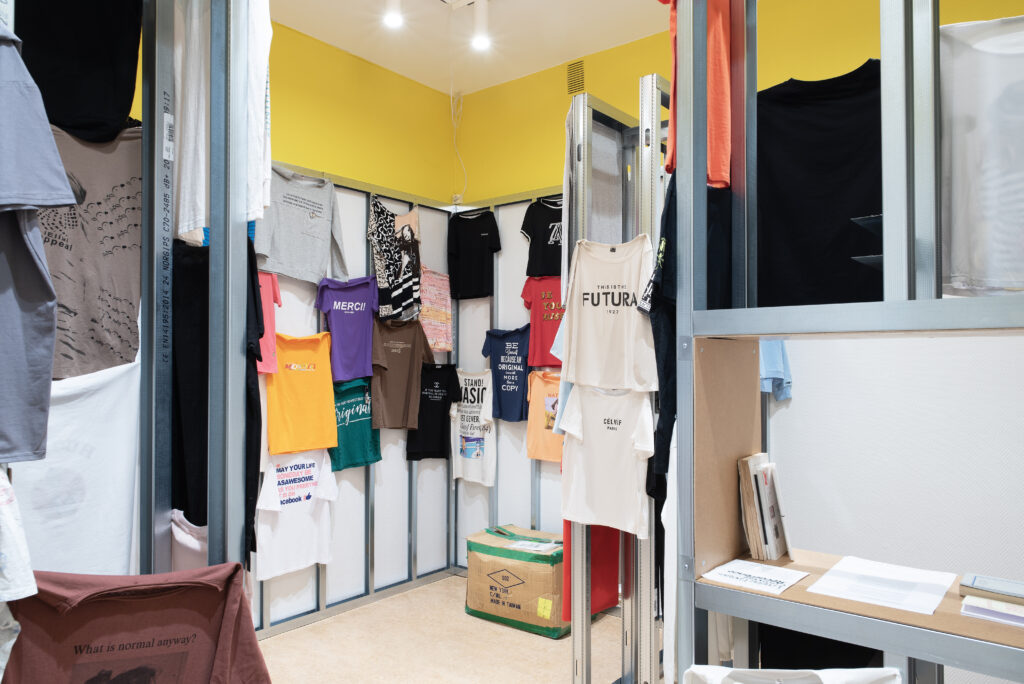
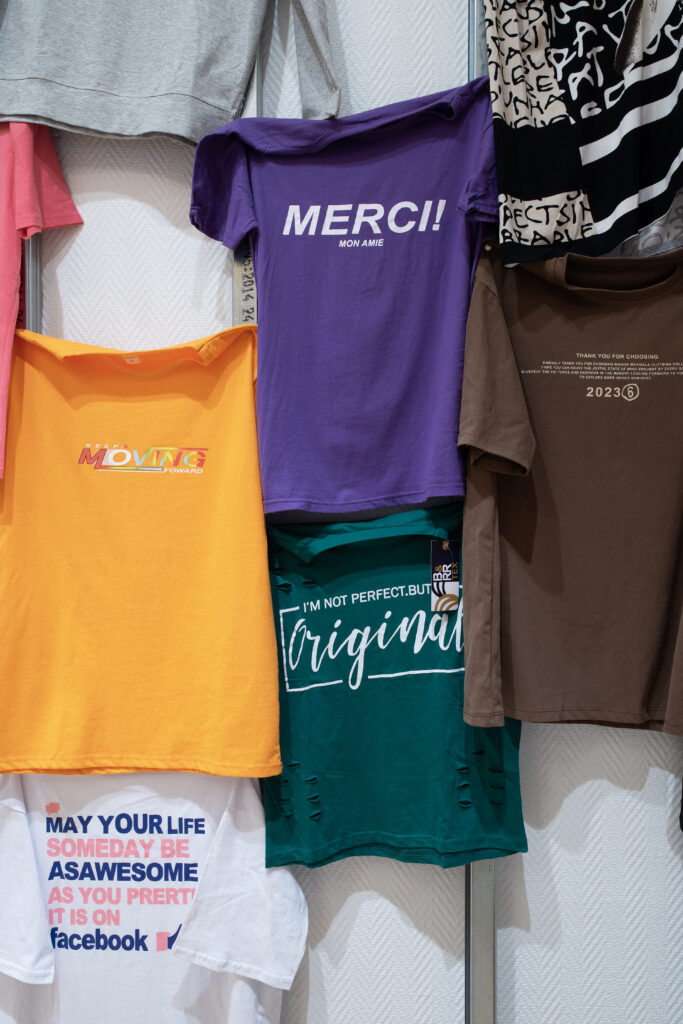
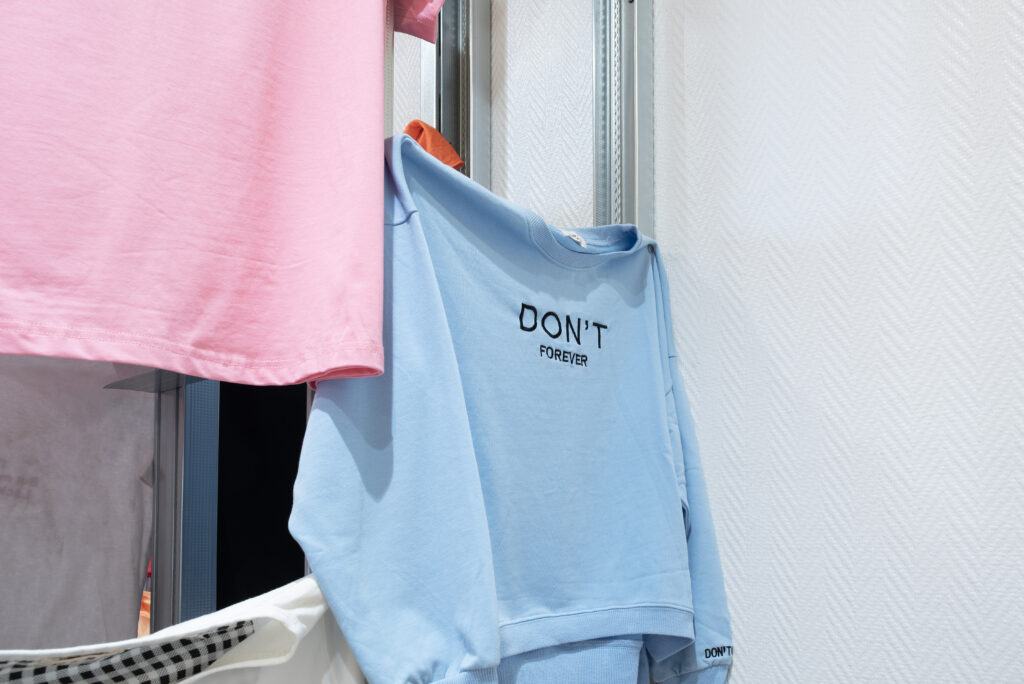
In August, hot off the heels of their visit to the Robin Hood Festival in Nottingham, England, roving poetic research unit Shanzhai Lyric visited Malmö to share some of their findings on the entangled histories of counterfeits, property, enclosure, theft, hedges, anti-property movements, and noble thieves. Since then, Shanzhai Lyric’s archive of over 400 found poetry-garments, has been available for perusal as part of the inaugural Reading Room at skēnē, alongside related readings selected by Anti. They consider the archive to form one long poem unfolding across bodies and landscapes, a shifting work they call Incomplete Poem.

Incomplete Poem is available for consultation at the skēnē Reading Room during exhibition hours (Thurs–Saturday 1–4pm) and by appointment. The Reading Room was designed in collaboration with architectural collective common room.

Shanzhai Lyric (Est. 2015) is a body of research focusing on radical logistics and linguistics through the prism of technological aberration and nonofficial cultures. The project takes inspiration from the experimental English of shanzhai t-shirts made in China and proliferating across the globe to examine how the language of counterfeit uses mimicry, hybridity, and permutation to both revel in and reveal the artifice of global hierarchies.

Shanzhai Lyric (Ming Lin & Alex Tatarsky) circulate their ever-growing archive of poetry-garments in the form of poetry-lecture, publication, and installation. In the fall of 2020, Shanzhai Lyric founded the fictional office entity Canal Street Research Association from which they continue to problematize notions of ownership and property through bootleg as method. Their work has been presented in unofficial and official spaces including Amant, Times Museum, INIVA/Stuart Hall Library, Women’s Art Library, Abrons Arts Center, SculptureCenter, MIT School of Architecture and Planning, Artists Space, MoMA PS1, Printed Matter, Harvard (AFVS), Clearview Ltd, and the Canadian Centre for Architecture. Selected publications include essays in The New Inquiry, Viscose, The Serving Library, Capilano Review, Vulture and ArtReview Asia.

Lizzie Borden – Born in Flames

Preserved by Anthology Film Archives with restoration funding from the Hollywood Foreign Press Association and The Film Foundation. Distributed by Cinenova.

New York; ten years after the most peaceful revolution that the world has ever seen. The governing Socialist party is emphasising the need for unity on the slow road to reform.


”Hello, this is Honey Speaking”.

Cinenova is a volunteer-run organisation preserving and distributing the work of feminist film and video makers. Cinenova was founded in 1991 following the merger of two feminist film and video distributors, Circles and Cinema of Women, each formed in 1979. Cinenova currently distributes over 300 titles that include artists’ moving image, experimental film, narrative feature films, documentary and educational videos made from the 1910’s to the early 2000’s. The thematics in these titles include oppositional histories, post and de-colonial struggles, representation of gender, race, sexuality, and other questions of difference and importantly the relations and alliances between these different struggles.

The event is supported by Kulturrådet, Malmö stad och Region Skåne

Installation photographed by OMN
All images courtesy of the artists and skēnē

Kristina Bengtsson, Bradley Kronz, Lawrence Weiner

Kristina Bengtsson, Bradley Kronz, Lawrence Weiner

“One thing art can do is resolve physical objects in your life. Any item with a burdensome duty or heavy sentimentality can enter a higher realm of attention and care simply by declaring it as art, or more abstractly as finished. In this transaction the object is never again your problem. It is possible here too that actual feelings contained in the object are moved to the more benign category of symbolic feelings. We should not take this for granted as it may only be a temporary aspect of the field, and instead enjoy it while it lasts.”
Bradley Kronz, 2023

“The future of an artwork is hypothetical, in that it is always unknown what will become of it but what is clear is that it will certainly, in the future, end up somewhere.”
Kristina Bengtsson, 2015

“1. THE ARTIST MAY CONSTRUCT THE WORK
2. THE WORK MAY BE FABRICATED
3. THE WORK NEED NOT BE BUILT
EACH BEING EQUAL AND CONSISTENT WITH THE INTENT OF THE ARTIST THE DECISION AS TO CONDITION RESTS WITH THE RECEIVER UPON THE OCCASION OF RECEIVERSHIP”
Lawrence Weiner, 1968

skēnē is pleased to present a new exhibition of old artworks that emerged as a spontaneous reflection on an old exhibition of new artworks.

In 1999, Bera Nordal invited three sculptors to show at Malmö Konsthall, namely: Kirsten Ortwed (Danish, b. 1948), Barry Le Va (American, 1941–2021) and Lawrence Weiner (American, 1942–2021)

25 years later, and 55 odd years after conceptual art’s first experiments, “(…) the excitement has died down. Recollected in tranquility, conceptual art is now being woven into the seamless tapestry of ‘art history.’ This assimilation, however, is being achieved only at the cost of amnesia in respect of all that was most radical in conceptual art.”

skēnē is honored to re-present works by three artists who try to overcome the difficulties inherent to the making of significant works.

Kristina Bengtsson (Swedish, b. 1979) studied at at Lunds University, Glasgow School of Art and the Academy of Visual Arts, Leipzig. Working with photography, text and sculpture she explores the intersection between language, society and identity. In her practice she plays with cultural choreographies and how they are shaped and understood, with a particular interest in labour and autonomy. Recent exhibitions include ‘Searching for comfort in an uncomfortable room’ at Vermilion Sands, Copenhagen, 2023; ‘Du Jag Someone Something’ at Bladr, Copenhagen, 2022; ‘Wasted’ (with Kevin Malcolm) at Tørreloft, Copenhagen, 2021.

Bradley Kronz (American, b. 1986) graduated from the School of the Art Institute of Chicago in 2008. “In his practice, framing, supporting structures, vantage points, depth and trompe-l’oeil are combined across media. Often starting from the art or creations of others, his works (…) repeatedly solicit attention to details.” (Nicolas Brulhart, 2023) Recent exhibitions include ‘“I had all the tools even at a young age”’ at Gandt, New York, 2024; ‘Brad Kronz’ at Gaylord Fine Arts, Los Angeles, 2024; ’Nine Types of Industrial Pollution’ at Kunsthalle Friart Friburg, 2023; untitled at Mulier Mulier Gallery, Brussels, 2022.

Lawrence Weiner (American, 1942–2021) was a leading figure in the conceptual art movement in the 1960s. Weiner’s practice used language as its core material. Questioning the fundamentals of sculpture and artmaking itself, he shifted away from object-centric work with his 1968 precept. Significant solo exhibitions include The Jewish Museum, New York (2020–2021); Stedelijk Museum, Amsterdam (2013); Tate Modern, London (2012, 2006); Whitney Museum of American Art, New York (2007–2008); Haus der Kunst, Munich (2007) among many others.

This exhibition is conceived and organised by Karin Bähler Lavér and Jean Colombain; with the support of Galerie Lars Friedrich (Berlin), Per Engström (Malmö Konsthall bookshop), Joseph Geagan (Gaylord Fine Arts, Los Angeles) and Thomas Bush.

skēnē’s exhibition programme is supported by Region Skåne, Malmö Stad and Kulturrådet.

Palimpsests & Epithets

Shamica Ruddock

Palimpsests & Epithets, a newly commissioned body of work by Shamica Ruddock.

Palimpsests & Epithets draws upon the phenomenon of Dub, both as a musical genre and as materiality. Shamica Ruddock’s sound piece revolves around the notion of the palimpsest—remnants of the old imbued with the new. The work also expands ideas of sonic hauntology, repetition, non-linear temporalities and the metaphysics of presence.

The exhibition continues until 27 July, with a break between 4–13 July.

Shamica Ruddock is a British artist often found working between sound, moving image and musical performances. Her current research concerns sound cultures and Black sonic modalities. Approaching sound as a site for knowledge production, she considers the ways Afro-diasporas emerge through sound. She is particularly interested in how Black technosonic production functions as a form of narrativising and worldmaking.

Currently, Shamica Ruddock has provided a soundscape to the post-national digital pavilion Unseen Guests, arranged by Iniva in tandem with John Akomfrah’s solo exhibition at the British Pavilion in this year’s Venice Biennale. https://unseen-guests.net/

Selected presentations include the Barbican Centre (UK) and Tate Britain (UK). Residencies include Amant Foundation (US), Black Cultural Archives (UK) and QO2 (BE). In 2021 Shamica was a British Library Eccles Centre Visiting Fellow researching Maroon sound cultures.

The exhibition is supported by Region Skåne

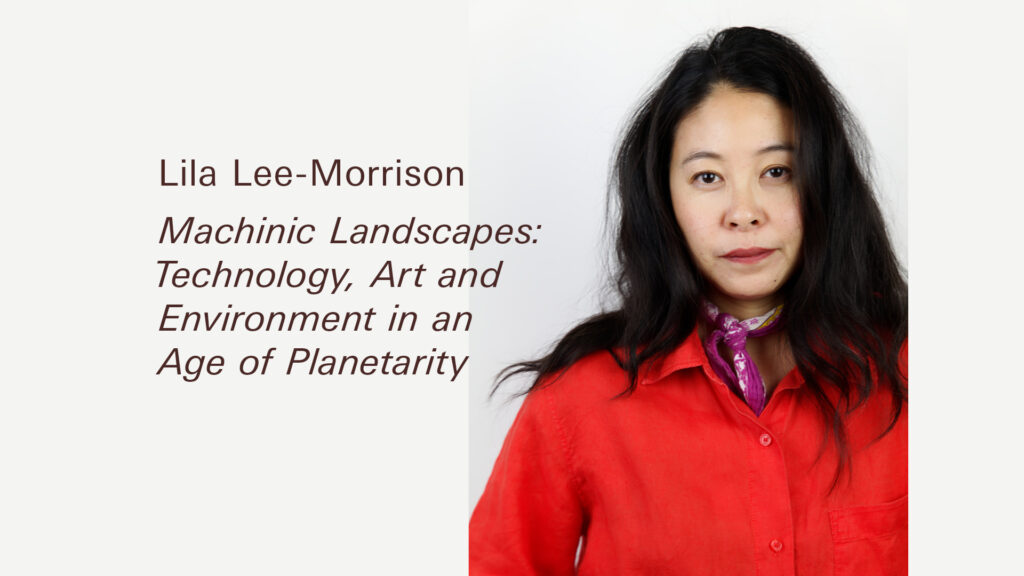
Machinic Landscapes: Technology, Art and Environment in an Age of Planetarity

Lila-Lee Morrison

On the final day of the exhibition ghost frequency* we warmly welcome you to a presentation by researcher Lila-Lee Morrison, entitled Machinic Landscapes: Technology, Art and Environment in an Age of Planetarity.

The exhibition opens at 1pm and the presentation begins at 3pm. There will be coffee and pastries on offer.

Lila Lee-Morrison will discuss her current research that delves into the work of contemporary artists who utilize technologies of environmental monitoring to reimagine the genre of landscape. Running counter to scientific and military contexts of technological development, these artists’ practices address the figuring of diverse subjectivities as enmeshed in both technical and environmental processes.

Lila-Lee Morrison is a writer, scholar, and art historian specializing in the visual cultures of machine vision. Her research focuses on the intersection of art and technology, digital culture and the agency of the image. Morrison is currently a postdoctoral researcher on the ERC funded research project Show and Tell: Scientific representation, algorithmically generated visualizations, and evidence across epistemic cultures, at Lund University. She has written the book Portraits of Automated Facial Recognition: On Machinic Ways of Seeing the Face published by Transcript Verlag (2019) and is a 2023 recipient of the Andy Warhol Art Writer’s Grant. She has written for Artforum, Theory, Culture & Society, Media+Environment Journal and forthcoming for the eflux Accumulation series.

skēnē’s programme is supported by Region Skåne

Ghost Frequency*

Chiara Ambrosio, Matilda Tjäder w/ Mathias Tang

skēnē gladly invite you to the second exhibition of the year: Ghost Frequency*, presenting new works by Matilda Tjäder, in collaboration with Mathias Tang, alongside Chiara Ambrosio’s film La Frequenza Fantasma [The Ghost Frequency].

The title of Ambrosio’s film, specifically refers to the role that the invention of the telegraph (and the transmission of sound signals) played in spiritualism: a technological advancement allowing to tune into frequencies that, although invisible to the eye, are nevertheless a fundamental aspect of our collective consciousness.

The exhibition asks how the sensorial can be fine tuned so as to pay attention to frequencies beyond the apparent. Matilda Tjäder and Chiara Ambrosio’s work alike elaborates on the role machinic interventions has on sense perception, following the understanding that sound and images, once released, will never decompose but will continue to haunt the ether, inaudible and invisible but an unquestionable trace of lapsed presence.

During the opening evening on the 14th of March, Matilda Tjäder performs Drive. Drive is a performance experienced from the backseat of a car–a vehicle designed to transport its passengers through the shifting landscapes of an outside, that from an inside become the perfectly mute projection canvas for a live-commenting driver.

Screening: 22.03.24, 18:30

skēnē’s exhibition programme is supported by Region Skåne.

Photographed by OMN
All images courtesy of the artists and skēnē

Screening:

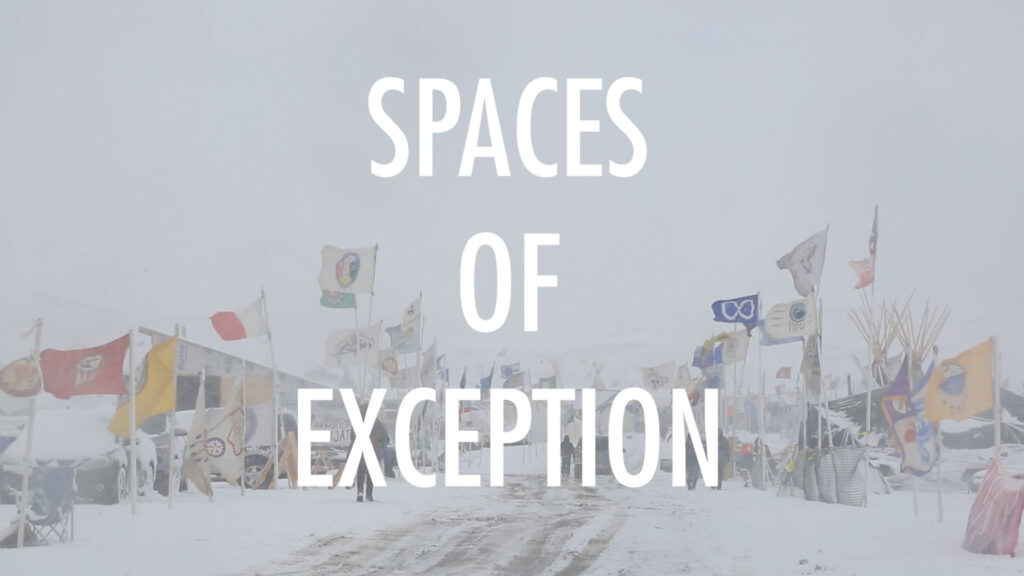
Spaces of Exception

Film screening and panel discussion

Biograf Panora, Friisgatan 19 D, Malmö
with Matt Peterson, Malek Rasamny, Lisa Nyberg, Benj Gerdes

Spaces of Exception, 2018
Matt Peterson & Malek Rasamny, 90 min, US/Lebanon
English, Diné, Kanien’kéha and Arabic w/ English subtitles

Free of charge but the number of seats is limited.

After the screening a panel discussion with Matt Peterson and Malek Rasamny, and Lisa Nyberg, artist and researcher, moderated by Benjamin Gerdes, will follow.

Profiling the Native American reservation alongside the Palestinian refugee camp, Spaces of Exception was filmed from 2014 to 2017 in Arizona, New Mexico, New York, and South Dakota, and in Lebanon and the West Bank. It is an attempt to understand the significance of the land — its memory and divisions — and the conditions for life, community, and sovereignty.

The event is made possible by funds from Malmö stad’s cultural stipend Öppna Malmö.

Diva Portal

Kah Bee Chow, Ingrid Furre, Joana Pereira and Julia Selin

skēnē extends a warm welcome to its exhibition Diva Portal, which opens on the 25th of January and continues until the 24th of February. It includes new and existing work by Kah Bee Chow, Ingrid Furre, Joana Pereira and Julia Selin.

*

The exhibition Diva Portal is loosely based on Aeschylus’ play The Suppliants, where the 50 Danaïde sisters form the chorus and serve as the protagonists

… on the reading thereof in Julia Kristeva’s Strangers to Ourselves, in which the Danaïdes represent the first foreigners

… on an unfinished script revolving around an internet café in Montparnasse called Sexopolis

… on a reworking of Albert Cossery’s novel Laziness in the Fertile Valley

… on what it means to enclose oneself or be enclosed

… on intimate infrastructures that support and sustain.

Kah Bee Chow works with forms of enclosures in relation to animals and the human body, with close attention to particularities of space and site, through sculpture, video and text. She lives and works in Malmö and Penang, Malaysia. Chow received her MFA in 2012 from Malmö Art Academy in Sweden and her BFA in 2004 from Auckland University of Technology in New Zealand.

Ingrid Furre lives and works in Malmö and Finnøy. Previous exhibitions include Konsthal44, Møn, Moderna Museet, Stockholm, Hordaland Art Center, Bergen. She has made a playsculpture for Revinge school in Lund and public sculptures for the city of Ystad. Furre has published several books on Flamme Forlag, Oslo, Forlaget Gestus, Copenhagen and Madame Cryptica, Stockholm.

Joana Pereira lives and works in Malmö. She graduated in painting from the Faculty of Fine Arts in Lisbon, attended the Independent Study Programme Maumaus in Lisbon and holds a master’s degree in fine arts at Malmö Art Academy, Sweden. In 2019 she was in residency at the Cité Internationale des Arts in Paris. She has exhibited at Malmö Konsthall, Adrogaria, Porto, Alta Art space, Malmö, Lund Konsthall and Galleri Arnstedt, Östra Karup.

Julia Selin studied at Umeå Art Academy, she lives and works in Malmö. Her work has been exhibited widely, including at Porte, Leipzig, Tara Downs Gallery, NYC, Krognoshuset, Lund, Trollhättans konsthall, Galleri Cora Hillerbrand, Göteborg and Wanås Konst, Knislinge among other places. She is one of the organisers behind Alta Art Space.

Photographed by OMN
All images courtesy of the artists and skēnē